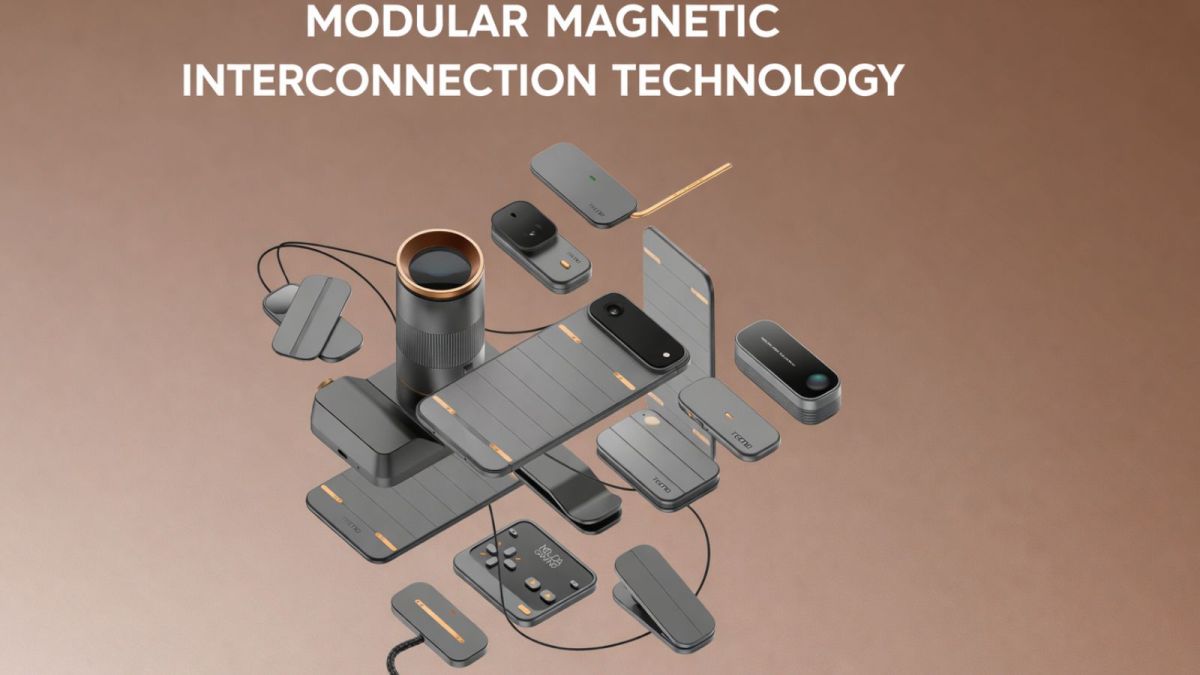
In a bold move that could reshape the future of smartphones, Tecno has unveiled a groundbreaking concept that reimagines modular phones with an ultra-thin magnetic design. At a time when consumers are demanding slimmer devices without compromising on power and customization, this innovation signals a new chapter in mobile technology.
For years, modular smartphones have promised flexibility allowing users to swap out cameras, batteries, or speakers as needed. However, earlier attempts in the global market struggled due to bulky structures, limited compatibility, and design compromises. Tecno’s latest approach aims to solve these challenges by integrating a sleek magnetic attachment system within an ultra-thin frame, combining style with adaptability.
A New Era of Magnetic Modularity
The new concept device features a built-in magnetic architecture that enables users to attach or detach functional modules seamlessly. Unlike traditional modular phones that required screws, clips, or external cases, Tecno’s magnetic system ensures smooth alignment and secure attachment without adding significant thickness.
This innovation not only enhances convenience but also maintains the aesthetic appeal of a premium smartphone. The device reportedly maintains a slim profile comparable to flagship models currently dominating the market. The focus is clear: modularity without compromise.

Consumer-Centric Innovation
Today’s smartphone users seek devices that reflect their lifestyle. Some prioritize camera performance, others battery life or gaming capabilities. Tecno’s modular magnetic approach offers the possibility of tailored experiences. For example, users could attach a high-performance camera module for travel photography, a gaming enhancement pack with cooling support, or an extended battery for long workdays.
Such flexibility aligns with evolving consumer behavior, especially in emerging markets where Tecno has built strong brand loyalty. By addressing practical needs while keeping costs competitive, the brand could attract both tech enthusiasts and everyday users.

Sustainability and Public Interest
One of the most significant aspects of this innovation lies in sustainability. The global electronics industry faces growing scrutiny over e-waste. Modular phones, in theory, allow users to upgrade specific components rather than replacing the entire device. Tecno’s lightweight magnetic system could make such upgrades more user-friendly and widely adopted.
If successfully commercialized, this concept could extend the lifecycle of smartphones and reduce environmental impact. For countries like India, where smartphone penetration continues to grow rapidly, sustainable innovation carries strong public interest value.
Competitive Landscape
While brands like Motorola experimented with modular designs through Moto Mods and LG briefly introduced modular concepts in the past, widespread adoption remained limited. The key differentiator for Tecno appears to be its ultra-thin integration and magnetic simplicity, eliminating the clunky experience of earlier attempts.
The modular revival also comes at a time when flagship devices across brands have begun to look increasingly similar. Incremental camera upgrades and processor improvements no longer create the excitement they once did. A functional, stylish modular design could reintroduce innovation as a central selling point.
What It Means for the Market
Tecno’s bold experimentation demonstrates that innovation is no longer restricted to premium global giants. Emerging brands are actively redefining expectations. If this concept transitions into mass production, it could pressure competitors to rethink their product strategies.
For consumers, this could mean greater choice, longer device longevity, and personalized smartphone experiences. For the industry, it represents a shift toward smarter engineering solutions that balance performance, design, and sustainability.

As the smartphone market enters a mature phase globally, true differentiation becomes rare. Tecno’s ultra-thin magnetic modular phone may not just be another concept it could mark the beginning of a modu
lar renaissance designed for the modern era.