

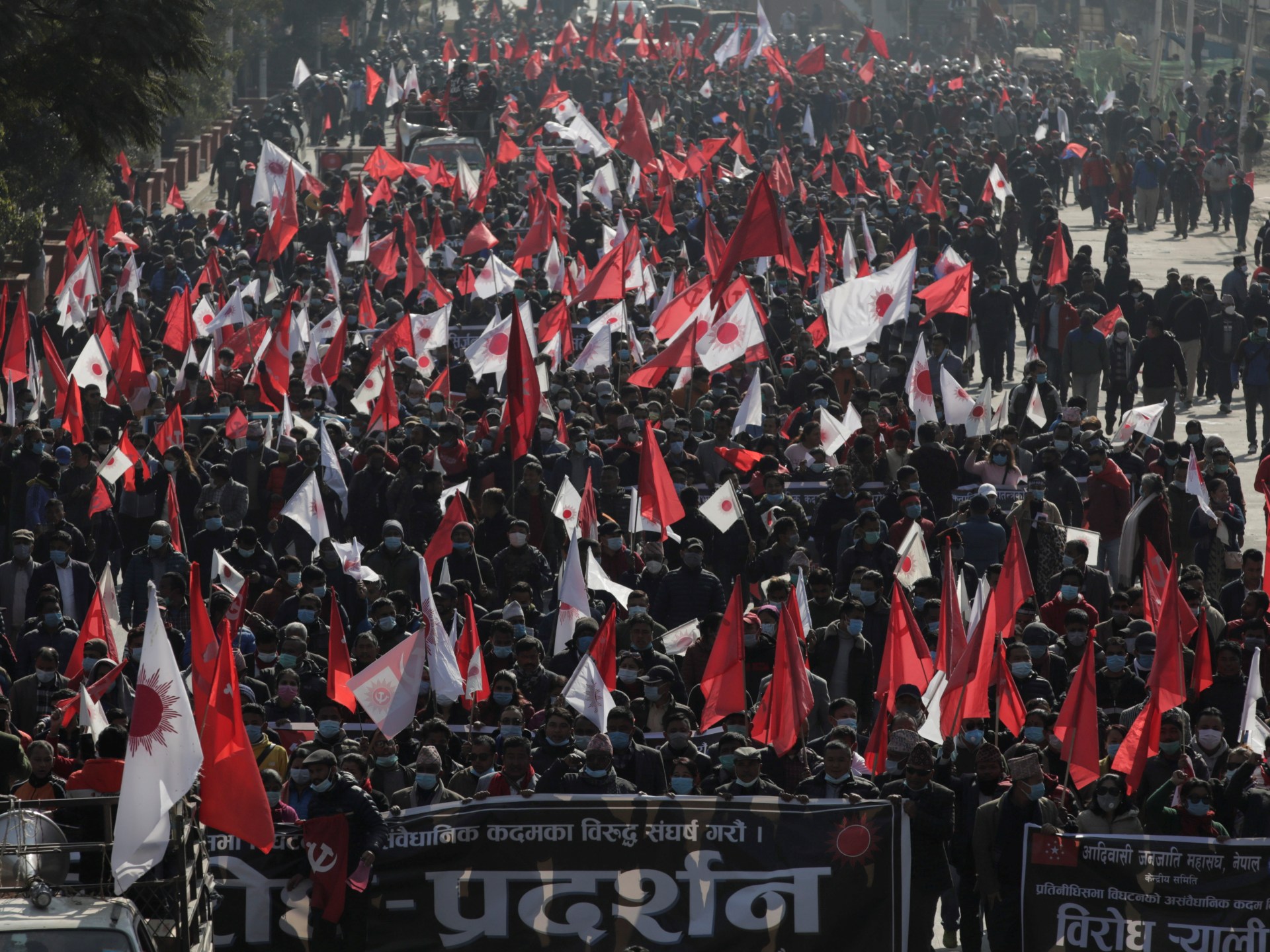
Kathmandu Ablaze: Nepal’s Gen Z Sparks Fiery Revolution Against Corruption and Censorship
Kathmandu, Nepal—What began as an online outcry over censorship has erupted into a blazing urban uprising, as Generation Z—the internet-native, socially conscious youth—takes to the streets to ignite a national reckoning.
The Spark: Social Media Ban Meets Deep-Seated Frustrations
On September 4, the Nepali government ordered the shutdown of some 26 major social media platforms, including Facebook, Instagram, WhatsApp, YouTube, and X, citing failure to register under a new regulation aimed at curbing fake IDs, fraud, and hate speech. The move sparked a visceral reaction from a generation deeply interconnected through the digital sphere—calling it outright censorship.
But the anger extended far beyond the ban. Generation Z has long been simmering with frustration over rampant government corruption, skyrocketing unemployment, and inequality. The Nepo Kid campaign—calling out children of political elites flaunting luxury while ordinary youth suffer—became a rallying cry. protesters rallied under slogans like “Shut down corruption, not social media,” and motivated by comparisons between privileged elites and struggling young migrants, many of whom work abroad to support families.
From Digital to Streets: Symbolic and Violent Mobilization
Mobilization was largely organic and digital—led by NGOs like Hami Nepal and pages like Gen.Z Nepal, using Instagram and Discord to coordinate peaceful protest actions, even advising students to wear uniforms for solidarity. on September 8, throngs of Gen Z protesters—many clad in school and college uniforms—flooded Kathmandu, converging on Maitighar Mandala and marching toward parliament. Initially peaceful, chants and banners gave way to barricade breaches, fire, and widespread unrest. Police responded with tear gas, water cannons, rubber and live bullets.
By day’s end, at least 19 people were dead, hundreds injured, and key landmarks—including the Parliament gate—were aflame.
Chaos Deepens: Institutional Collapse
The unrest intensified despite the government lifting the ban. On September 9–10, Prime Minister K.P. Sharma Oli resigned, yet his departure did little to quell the fires still raging across the capital. Militants torched government buildings—including all three branches of power: the Parliament, Singha Durbar (executive seat), and the Supreme Court.
In one harrowing incident, the wife of former PM Jhala Nath Khanal succumbed to burn injuries after her home was set ablaze. Prisoners broke free from jail, including political figure Rabi Lamichhane, sparking even more chaos.
As violence escalated, the Nepali Army took control—imposing a strict curfew, occupying Tribhuvan International Airport, and launching stern warnings against arson and looting.
Casualties and Aftermath
Estimates now place the death toll between 22 and 25, with hundreds injured and countless arrested. Over 600 injured, historic sites damaged, and flights suspended paint a grim picture of national turmoil. calls are rising for accountability and restraint. Amnesty International demands independent investigations into excessive force and urges the government to honor protesters’ right to peaceful expression.
A Generation in Revolt: What’s Next?
With no centralized leadership, Gen Z’s fractured movement poses challenges for negotiation. Experts suggest constitutional routes appointing successors, interim governments, or neutral leaders (like former Chief Justice Sushila Karki) to restore governance. but the energy of this uprising underscores a generational shift one demanding transparency, digital freedom, and integrity from a political establishment that has long failed them.
#KathmanduBurning#NepalGenZRevolt#VoicesOfNepal#StopCorruptionNepal#DigitalFreedomNow
Leave a Reply