New Delhi, 4 March 2026: In the face of rising geopolitical tensions in West Asia and disruptions to key oil shipping routes, the Government of India on Tuesday reassured citizens and markets that the country maintains approximately 25 days’ worth of crude oil reserves along with around 25 days of refined petroleum stocks, including petrol and diesel enough to support domestic consumption for over eight weeks in total.
Officials from the Ministry of Petroleum and Natural Gas stated that India’s overall inventory combination comprising crude oil held with refiners, strategic reserves and fuel stocks across depots and pipelines positions the nation in a reasonably comfortable energy security situation even amid global uncertainties.
Current Inventory and Safety Buffer
 According to government sources, refiners currently hold crude stocks sufficient for roughly 25 days’ worth of consumption, while fuel inventories covering petrol, diesel and LPG are also estimated at about 25 days’ requirement. When combined with strategic reserves and ongoing deliveries from alternative sources, this gives India a buffer of six to eight weeks’ worth of essential energy supplies.
This reassurance comes as world crude markets remain jittery following attempts by Iran to close the Strait of Hormuz a critical chokepoint through which about 40 % of India’s oil imports traditionally transit and amid continuing military conflict in the region.
“A total of about 25 days of crude combined with 25 days of products gives India a significant cushion to manage short-term disruptions,” a senior official told news agencies.
No Immediate Fuel Price Hike
The government also indicated that there are no immediate plans to increase retail petrol or diesel prices despite volatility in global crude prices triggered by geopolitical developments. Industry sources pointed out that while Brent crude has experienced upward pressure, domestic pricing decisions will remain calibrated to both international trends and buffer stocks.
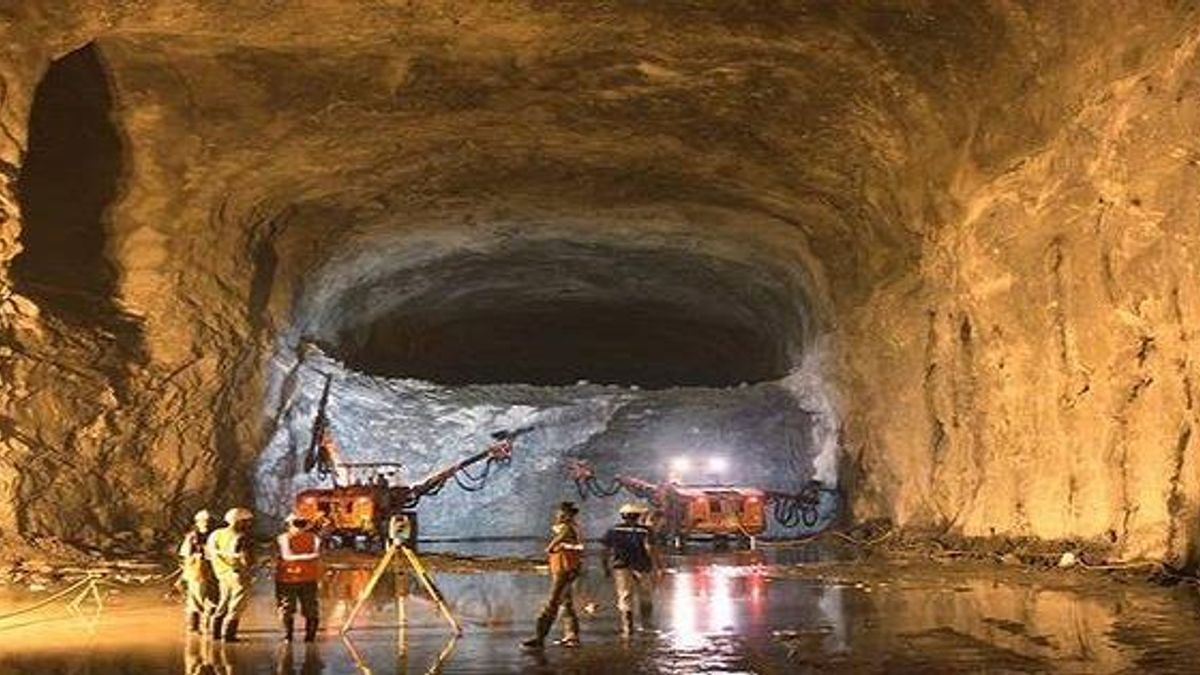
Petroleum Minister Hardeep Singh Puri has previously emphasised that India’s strategic petroleum reserve spread across multiple underground caverns and storage facilities further bolsters the country’s preparedness for external shocks and could, in extreme scenarios, extend coverage beyond the basic commercial inventory.
Diversified Supply Chains and Alternative Sources
Officials noted that India’s crude import strategy has gradually diversified over recent years, reducing some dependency on a single region. This includes enhanced supply ties with nations beyond West Asia, ensuring more stable inflows even if one route becomes temporarily constrained.
The government continues to engage with international partners and oil producers to secure additional supplies, particularly for liquefied petroleum gas (LPG) and liquefied natural gas (LNG), as these fuels have shorter coverage periods and are considered more vulnerable to short-term supply shocks.
Government Monitoring and Preparedness
To ensure seamless energy distribution and supply monitoring, authorities have set up 24×7 control rooms that consistently track inventory levels, refinery operations, pipeline flows, and port deliveries nationwide. This real-time surveillance helps pre-empt supply shortfalls and allows timely action if required.
Energy experts say that while the current reserve levels are adequate for short-term disruptions, prolonged instability on key shipping routes or extended supply constraints could require further policy responses, including demand-side management measures or temporary export curbs on petroleum products.
Significance for India’s Economy
India is one of the world’s largest importers and consumers of crude oil, heavily reliant on international markets to meet its fuel needs. Maintaining a solid inventory cushion not only helps stabilize domestic energy prices but also safeguards economic activity from transportation to industrial operations during turbulent times in energy supply chains.
While the situation remains dynamic, officials stress that the current stockpile strategy and diversified sourcing framework are central to India’s energy security policy, helping protect consumers and maintain market stability even amidst global uncertainties.