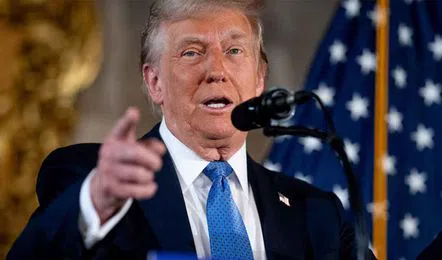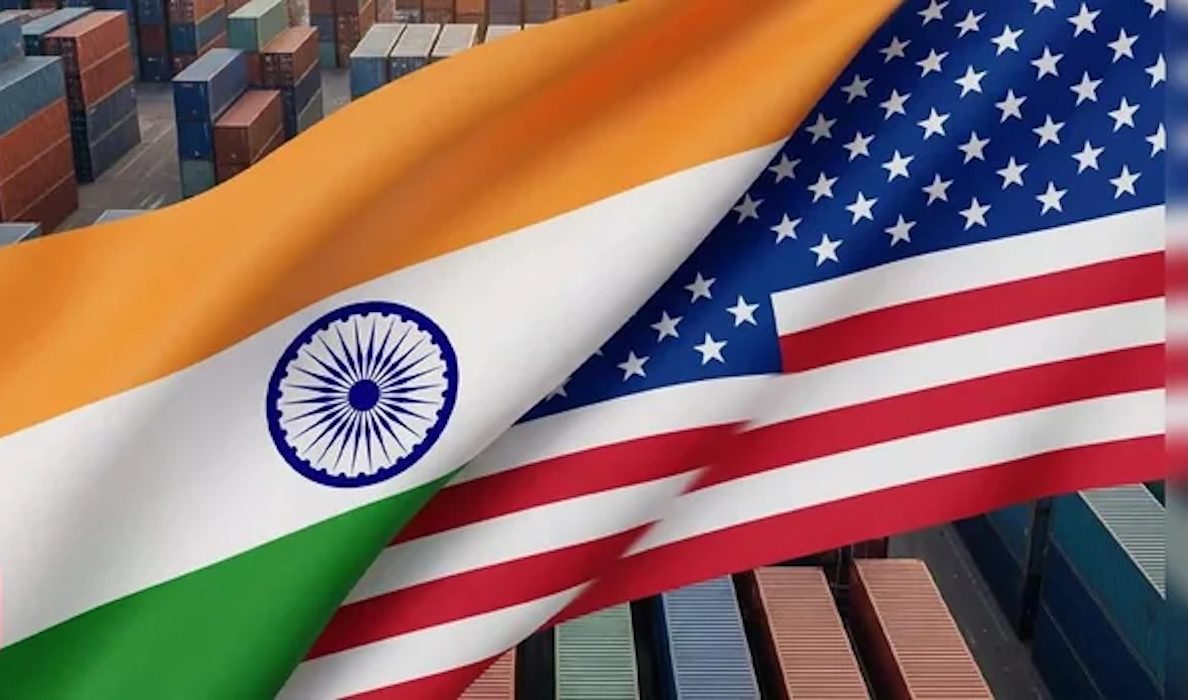
When U.S. President Donald Trump slapped steep tariffs some reaching as high as 50% on Indian exports, many expected New Delhi to push for an urgent compromise. Instead, India has taken the opposite approach: calm, strategic, and firmly in a “ready to wait” mode. This unexpected confidence has shifted the dynamics of the negotiation, giving India space to hold its ground and push for a deal that aligns with its long-term economic interests.
The tariff move initially rattled exporters, but the real story is how India’s economy has absorbed the hit better than anticipated. According to multiple reports, the decline in exports to the U.S. has been significantly milder than early estimates. October shipments, for example, fell by 8.6%, an improvement over earlier months. India’s broader economic performance driven by strong domestic demand and a robust 7% growth in the previous quarter has given policymakers valuable breathing space. Instead of negotiating from a place of urgency, New Delhi can now shape the contours of the conversation.
Behind the scenes, India has put forward proposals that reflect both flexibility and caution. Negotiators are reportedly willing to cut duties on more than 80% of goods imported from the U.S., but not at the cost of strategic sectors. Agriculture, dairy, and certain domestic manufacturing segments remain tightly protected. India has also indicated readiness to bring the tariff gap with the U.S. down significantly from around 13% to under 4% but only if the U.S. reverses the tariff shock tied to Russian oil imports and tones down the broader punitive structure. While American officials want deeper access to India’s agricultural markets, New Delhi has drawn firm red lines, with External Affairs Minister S. Jaishankar openly stating that no agreement can compromise the nation’s core interests.
Meanwhile, India is quietly strengthening its fallback options. A major export support package, tax relief on essential raw materials, and aggressive diversification toward the UK, UAE, Australia, and other markets have reduced overdependence on the U.S. Even businesses are adapting: several garment exporters are absorbing up to 20% additional cost to retain American clients, preventing supply chain disruptions from spiraling into crises. These shock absorbers have given India greater negotiation leverage than Washington may have expected.
Still, the situation is not without risks. Labour-intensive sectors like textiles, footwear, electronics, and gems & jewellery are under pressure, and the influx of cheaper Chinese products in global markets is posing fresh competition. Domestic political sensitivity also looms large especially if any trade compromise begins to affect farmers or MSMEs. But New Delhi’s current stance suggests that, unlike past episodes, India is not rushing into concessions. Instead, it is building a negotiation climate in which both strength and patience play equal roles.
What makes this moment particularly consequential is its geopolitical weight. The U.S. needs India as a strategic partner in the Indo-Pacific and global supply-chain diversification. India, meanwhile, seeks fair and reciprocal trade terms. The tariff confrontation is less a clash than a recalibration a test of how both democracies define economic fairness in an era of shifting global power.
For now, New Delhi’s message is clear: India will wait. It will negotiate. But it will not bend. And that composure, backed by economic resilience and political clarity, has unexpectedly become India’s biggest strategic advantage in the ongoing tariff tango with Washington.